
Category: Property Law
ABKJ’s experienced property lawyers have acted for property purchasers and vendors of a number of the major commercial properties on the Gold Coast and beyond. Whether you are after conveyancing, or advice on a development, sale, or lease, ABKJ Lawyers can help.
We have included below helpful articles discussing common issues in property law.

What To Do When Your Airbnb Guest Won’t Leave
You may have come across a recent report involving a squatter who purposely overstayed her Airbnb stay in New South Wales (as featured on A Current Affair). The legal owner issued a notice to the squatter to vacate the property which resulted in the squatter hiring a security guard to keep the owner from accessing the home.

Legal Contracts: What’s In A Name?
When preparing legal documents or entering into a contract it is crucial that the parties’ names are complete, spelt correctly and match their legal identification such as a passport, drivers licence or birth certificate. In this article we explain the importance of using your name correctly for the purpose of property transactions.

Commercial Leasing Code – Covid19
The Queensland Government has now enacted the Retail Shop Leases and Other Commercial Leases (COVID-19 Emergency Response) Regulation 2020 (referred to in this update as the “Regulations“), which was expected to legislate for the State of Queensland the National Cabinet’s ‘Mandatory Code of Conduct – SME Commercial Leasing Principles During COVID-19’ (referred to in this update as the “National Cabinet Code“).
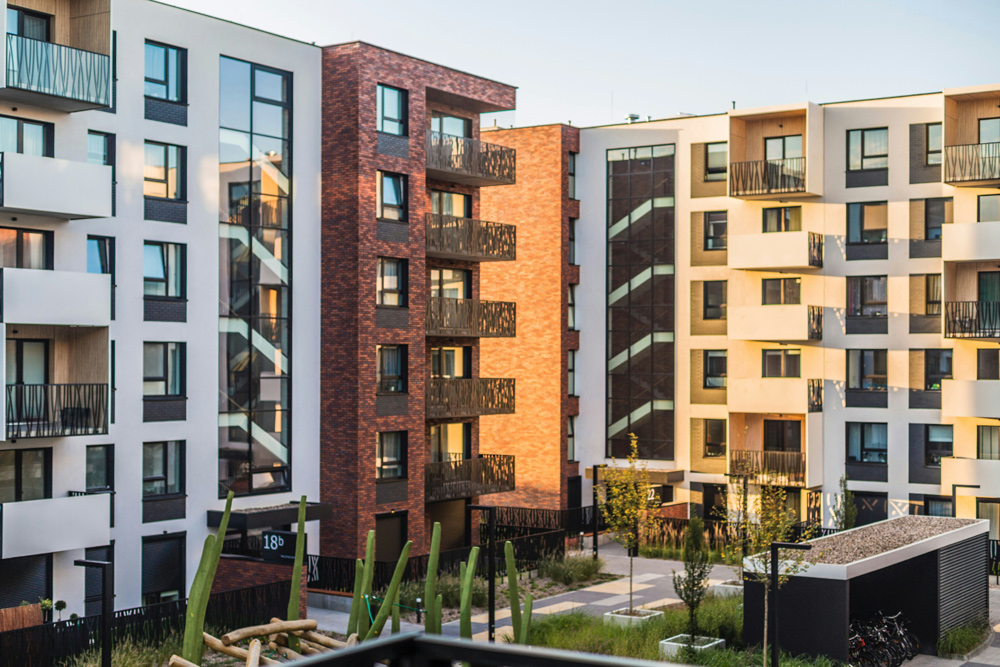
On 21 May 2020, the Queensland Parliament passed the Justice and Other Legislation (COVID-19 Emergency Response) Amendment Bill 2020. It makes a number of legislative amendments in various areas, but in a body corporate context, it makes amendments to the Body Corporate and Community Management Act 1997 arising from the COVID-19 situation.

I recently became aware of a body corporate that was pursuing bylaw contravention action against an owner. It was alleged that the owner had made unauthorised modifications to common property, and further that the owner had placed decorative items, such as pots and other items, on that common property. The area in question was a ground floor courtyard. The body corporate had assumed that, because the area was outside, it wasn’t part of the lot.

When Did You Last Review Your Scheme’s Bylaws?
Whilst perhaps not the most exciting topic to most people, body corporate committees need to actively review their bylaws from time to time. The bylaws are one of a community title scheme’s most important elements.
COVID-19 And Residential Tenancies
On 22 April 2020, the Queensland parliament passed the Covid-19 Emergency Response Bill 2020. The Bill gives the ability to the various Ministers to recommend that regulations be made in response to the COVID-19 pandemic. On 24 April 2020, the Residential Tenancies and Rooming Accommodation (Covid-19 Emergency Response) Regulation 2020 came into effect.

A week and a half ago, in response to the coronavirus crisis which is gripping our economy and society more generally, the Prime Minister announced that the National Cabinet had agreed to a “moratorium on rental evictions”. The Queensland Government has not yet enacted the legislation to make that announcement legally effective at this stage, but we understand that legislation will be introduced shortly. The moratorium It effectively means that a landlord will not be legally able to terminate a lease and evict a tenant due to unpaid rent, for a period of 6 months. As to when that 6-month… Continue Reading

First Home Loan Deposit Scheme
The First Home Loan Deposit Scheme (FHLDS) is designed to help low to middle-income earners enter the property market. Previously, most banks required a minimum deposit of 20% of the property’s value. However, with the Government’s new deposit scheme, first time home buyers are allowed to pay a deposit of as little as 5%. This will help them buy a home sooner. Initially, 10,000 Scheme places were released on 1 January 2020, and a further 10,000 will be available from 1 July 2020. The ability to secure a scheme place will be subject to eligibility criteria and availability. How do… Continue Reading

Effective from 1 July 2018, the Federal Government has amended the GST law with respect to the sale of residential property. If you are selling: 1. New residential premises; or 2. Potential residential land, then at the settlement of your sale, a cheque in the sum of the GST payable on the transaction will need to be given from the sale proceeds and paid by the seller immediately to the Australian Taxation Office. In other words, either 10% of the GST-exclusive purchase price or, if the margin scheme applies to the transaction, then 7% of the purchase price will be… Continue Reading
