

On 1 March 2021, the new Body Corporate and Community Management (Standard Module) Regulation comes into force. The new regulation clarifies and adds provisions to the existing regulation to provide for more flexible and contemporary arrangements within body corporates. The changes are split into three categories – Committees, General Meetings, and Other. In this article, being the second of a three part series, the changes being made to general meetings are explained.

On 1 March 2021, the new Body Corporate and Community Management (Standard Module) Regulation comes into force. The new regulation clarifies and adds provisions to the existing regulation to provide for more flexible and contemporary arrangements within body corporates. The changes are split into three categories – Committees, General Meetings, and Other. In this article, the changes being made to committees are explained.

Financial Abuse
Financial abuse can be just as common as physical or sexual abuse, but you can be financially abused without even realising it. Financial abuse is a form of domestic violence. If you suspect you are being impacted by financial abuse, you need to obtain legal advice. Contact our family lawyer on (07) 5532 3199 or send us a message. A Recent Case Demonstrating Financial Abuse In the recent case of Testa v Fields, the court, while making a decision about the best interests of a child, addressed concerns of family violence by the father to the mother. The court accepted… Continue Reading
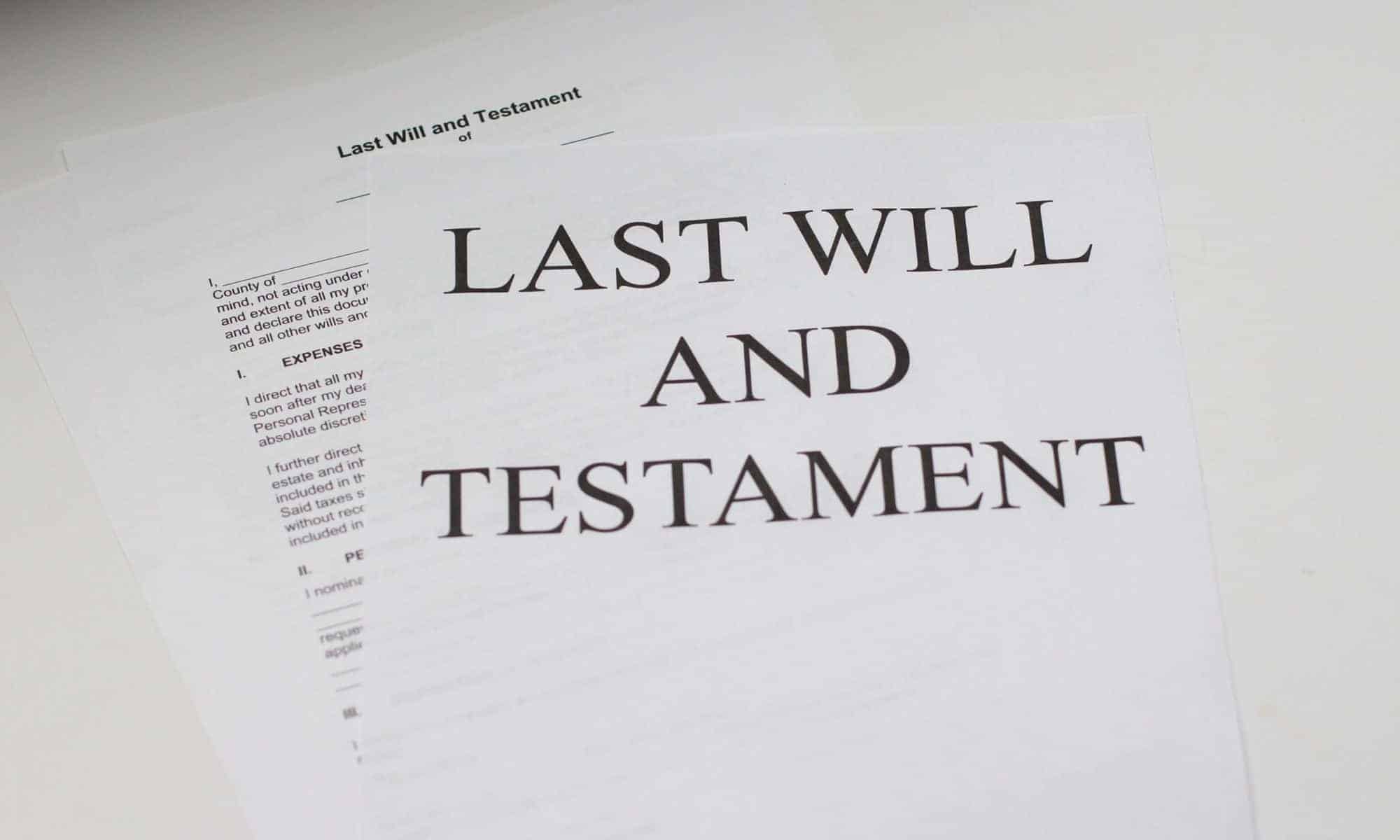
Can You Leave Your Estate To Whomever You Wish?
“I have not seen my child in 20 years, why should I give him anything in my will?” Most people would think that they should be entitled to leave their estate to whomever they wish when they die, or indeed make whatever charitable requests they choose. Whilst as a general principle that proposition is true, there are some significant exceptions that need to be acknowledged in making a will.

A recent story aired by A Current Affair has highlighted the unexpected consequences which can arise in relation to the superannuation benefits of a loved one after they pass away. Three myths often abound when it comes to superannuation and deceased estates.

A recent case[1] between a husband (Mr Scarffe) and a wife (Ms Obannon) who had recently separated, shows how family law proceedings can play out across two different countries. The Scarffe & Obannon case The couple had been living together in Australia since 1997. They married in 2014 and in the same year relocated to Singapore with their three children. The couple then separated in 2016, and the husband moved back to Australia in 2018 while the rest of the family stayed in Singapore. In 2019, the wife started legal proceedings in Singapore against her husband, where she filed… Continue Reading

Remote Witnessing of Wills and Other Documents
The Queensland Government recently passed the Justice Legislation (COVID-19 Emergency Response – Document and Oaths) Regulation 2020. The purpose of the legislation is to address the issue of physically witnessing and signing documents amidst the social distancing restrictions that are currently in place as a result of the COVID-19 pandemic.

Commercial Leasing Code – Covid19
The Queensland Government has now enacted the Retail Shop Leases and Other Commercial Leases (COVID-19 Emergency Response) Regulation 2020 (referred to in this update as the “Regulations“), which was expected to legislate for the State of Queensland the National Cabinet’s ‘Mandatory Code of Conduct – SME Commercial Leasing Principles During COVID-19’ (referred to in this update as the “National Cabinet Code“).

Rectification of building defects
With media reporting that the alleged cost of the rectification of the infamous Sydney Mascot Towers could exceed $50 million, it is timely to look at the current law relating to building defects in a body corporate context. Defects in the common property (i.e. in essence, anything other than the inside of individual apartments – for more information, see our recent article regarding how to read your scheme’s survey plan) should be of concern to owners in community titles schemes, particularly in relation to new buildings. Broadly speaking, the body corporate is responsible for maintaining the common property.

On 21 May 2020, the Queensland Parliament passed the Justice and Other Legislation (COVID-19 Emergency Response) Amendment Bill 2020. It makes a number of legislative amendments in various areas, but in a body corporate context, it makes amendments to the Body Corporate and Community Management Act 1997 arising from the COVID-19 situation.
